Match Monitoring To The Question
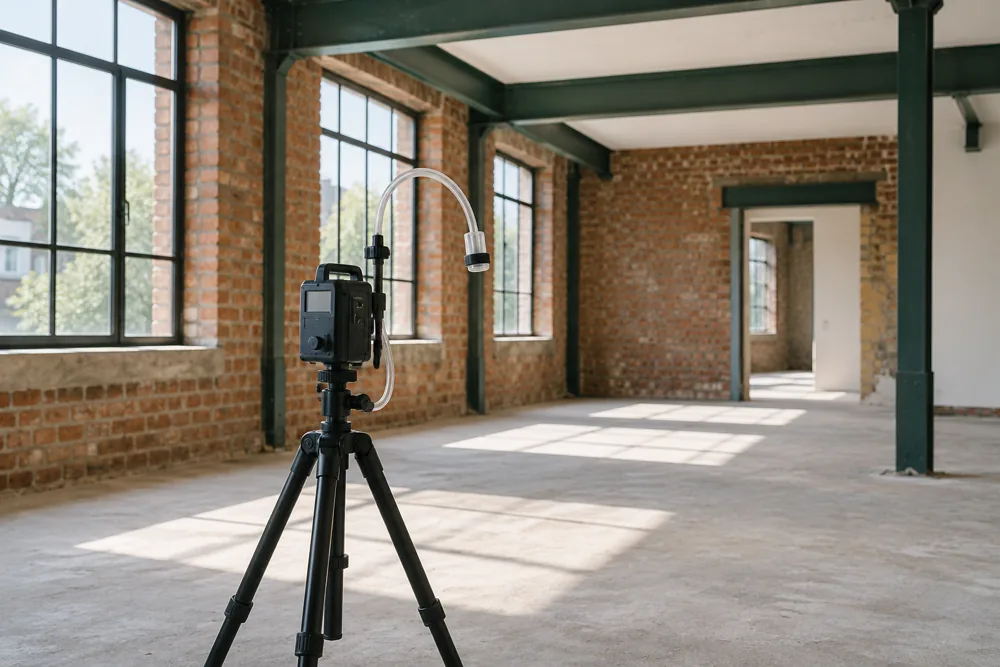
Asbestos air testing is a defined sampling exercise rather than a general certificate that a building is safe. A background test, a leakage test and clearance monitoring have different purposes. The analytical brief needs to state what decision the result is intended to support.
For a facilities manager, the question might concern conditions around an isolated work zone. A removal project may need analytical attendance linked to an enclosure and a planned handover. Describe the circumstances before requesting an air test so the appropriate method can be considered.
Monitoring Around Planned Work
Air monitoring can form part of the controls and checks surrounding asbestos work. Background sampling, leakage checks, reassurance monitoring and personal monitoring should not be treated as interchangeable. The sample position, activity, timing and volume influence how the findings can be interpreted.
Share the removal plan, drawings and working hours where available. Identify adjoining occupied areas, ventilation arrangements and any sensitive operations. The analyst needs enough information to plan a useful investigation and explain the limitations of the results in relation to the actual site.
Clearance Is More Than An Air Result
Where the four-stage clearance procedure applies, air monitoring is one element of a wider assessment. The process includes checks on site condition, a thorough visual inspection, clearance monitoring and a final assessment after the enclosure has been dismantled. A satisfactory air result cannot replace the visual stages.
For analytical work at Coventry premises, HSE’s HSG248, Asbestos: The Analysts’ Guide, sets out the sampling, analysis and clearance procedures. Agree an independent analytical appointment and the required documentation before the removal programme is fixed. The specific clearance arrangements must match the work and the applicable requirements.
How An Analytical Visit Is Planned
First, explain whether the enquiry concerns planned work, completed removal or an unexpected event. The proposed monitoring purpose and sampling locations are then agreed. Any site access, enclosure information and preparatory requirements need to be resolved before the analyst attends.
On site, the analyst carries out the agreed assessment and sampling, then reports the findings and relevant limitations. Where clearance is required, the necessary stages must be completed rather than compressed into a single measurement. If the site is not ready, further cleaning or other action may be needed before assessment continues.
What Affects Air Testing Cost
The type of monitoring, number of locations and expected site attendance affect the quotation. A short background investigation is a different instruction from attendance through a removal and clearance programme. Multiple enclosures, restricted working hours and repeat visits can change the analytical resource required.
Ask whether visual inspection, reporting, clearance certification where applicable and any return attendance are included. Explain the programme honestly so the appointment can allow for the actual work. Avoid assuming that a fixed analytical visit can absorb an open-ended removal schedule without a change in scope.
Understand And Keep The Results
Read the monitoring report with the plan of work and the relevant survey information. Confirm what was sampled, where and under which conditions. Air monitoring does not establish that hidden building materials are free of asbestos, and it should not be used to bypass a refurbishment investigation.
Keep analytical records with the removal documentation and the building’s asbestos information. Share any restrictions with the person controlling access to the area. If an unexpected disturbance has occurred, stop the affected activity and seek a specialist assessment rather than relying on an isolated test as the first response.